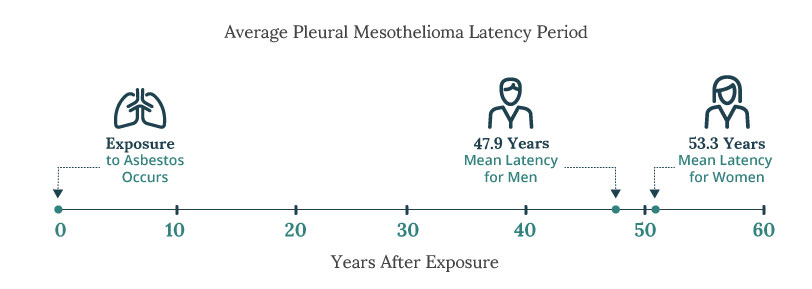
Understanding the mesothelioma latency period is crucial for anyone at risk. This period refers to the time between exposure to asbestos and the onset of symptoms.
Mesothelioma is a rare cancer caused by asbestos exposure. Its latency period can span decades. This long delay often complicates early diagnosis and treatment. People exposed to asbestos might not show symptoms for 20 to 50 years. This makes it hard to link symptoms directly to asbestos exposure.
Knowing about the latency period helps in monitoring health and seeking timely medical advice. Early detection can improve treatment outcomes. Understanding the mesothelioma latency period is key to managing risk and health effectively. Let’s explore this in more detail.
Mesothelioma Overview
Mesothelioma is a rare and aggressive cancer. It affects the lining of the lungs, abdomen, or heart. Understanding this disease is crucial for early detection and treatment. In this section, we will explore what mesothelioma is and its causes.
What Is Mesothelioma?
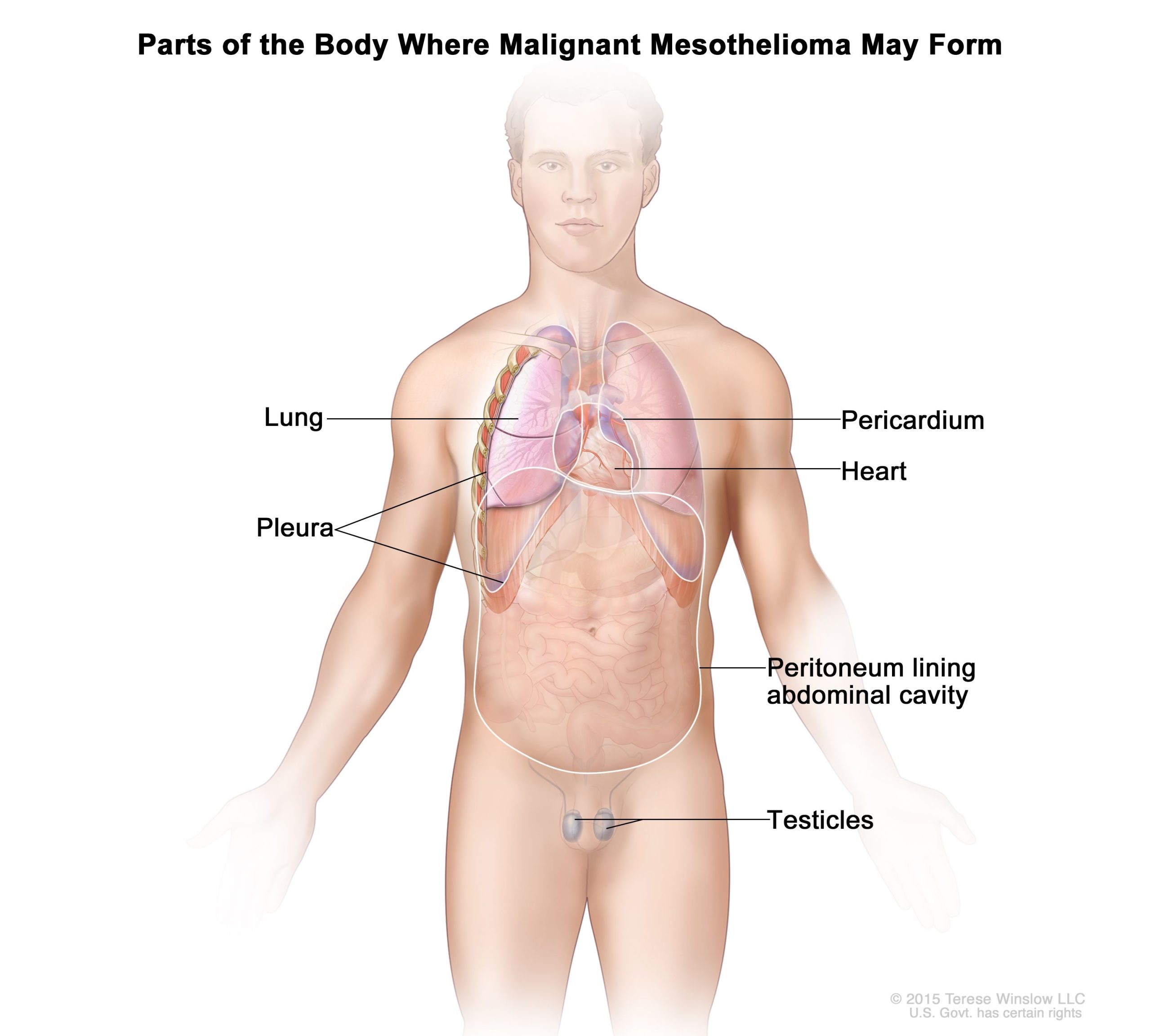
Mesothelioma is a type of cancer. It forms in the mesothelium, a thin layer of tissue covering most internal organs. The most common type is pleural mesothelioma, which affects the lining of the lungs. Other types include peritoneal, pericardial, and testicular mesothelioma.
The disease is known for its long latency period. This means symptoms may not appear until many years after exposure to the cause. Early symptoms are often vague, making diagnosis difficult. Symptoms might include chest pain, shortness of breath, and abdominal swelling.
Causes Of Mesothelioma
The primary cause of mesothelioma is exposure to asbestos. Asbestos is a group of minerals used in construction and manufacturing. Tiny asbestos fibers can be inhaled or swallowed. Over time, these fibers can cause inflammation and scarring, leading to mesothelioma.
Other risk factors include:
- Living with someone who works with asbestos
- Exposure to radiation
- Genetic predisposition
Occupational exposure is the most common risk factor. Jobs such as construction workers, electricians, and shipyard workers are at higher risk. Regulations have reduced asbestos use, but older buildings still pose a threat.
Understanding these causes helps in prevention and early detection. It is important to be aware of the risks and seek medical advice if exposed.
Latency Period Explained
The latency period is a key concept in understanding mesothelioma. Many people are unaware of how long it takes for symptoms to appear. This period can span several decades, making early detection challenging.
Definition Of Latency Period
The latency period refers to the time between asbestos exposure and symptom onset. This period can last 20 to 50 years. During this time, the disease remains dormant and undetected.
Importance Of Latency Period
Knowing the latency period helps in diagnosing mesothelioma. It aids doctors in tracing back to the time of asbestos exposure. This can provide crucial information for treatment plans.
Understanding the latency period also highlights the need for regular health check-ups. Those exposed to asbestos should be monitored closely, even if they feel healthy. Early detection can improve treatment outcomes.
Factors Influencing Latency Period
The latency period for mesothelioma can vary significantly. Several factors influence this period, impacting how long it takes for symptoms to appear after exposure to asbestos. Understanding these factors is crucial in assessing the risks and potential onset of mesothelioma.
Exposure Duration
The duration of asbestos exposure plays a critical role in the latency period. Long-term exposure typically results in a shorter latency period. Workers in industries like construction or shipbuilding, who face prolonged exposure, often experience symptoms sooner.
Short-term exposure, although still dangerous, may lead to a longer latency period. The body may take more time to accumulate the damage caused by asbestos fibers, delaying the onset of symptoms.
Asbestos Fiber Type
Not all asbestos fibers are the same. The type of asbestos fiber can also affect the latency period. There are several types, including chrysotile, amosite, and crocidolite. Each type has different properties and health impacts.
| Asbestos Fiber Type | Characteristics | Latency Period Impact |
|---|---|---|
| Chrysotile | Also known as white asbestos. Most commonly used in industries. | May result in longer latency periods due to its curly fibers. |
| Amosite | Also known as brown asbestos. Found in insulation products. | Can lead to shorter latency periods due to its brittle nature. |
| Crocidolite | Also known as blue asbestos. Extremely hazardous. | Often leads to the shortest latency periods due to its thin, sharp fibers. |
The body’s ability to clear these fibers varies. Some fibers are more easily expelled, while others linger and cause more damage.
Symptoms During Latency Period
Mesothelioma is a rare cancer linked to asbestos exposure. The latency period is the time between exposure and the appearance of symptoms. This period can last for decades. Recognizing symptoms during the latency period is crucial for early diagnosis.
Early Warning Signs
Early signs of mesothelioma are often mild. They might include shortness of breath, chest pain, or a persistent cough. Fatigue and weight loss can also appear. These symptoms are often mistaken for less serious conditions.
Common Misdiagnoses
During the latency period, mesothelioma symptoms can mimic other illnesses. It’s often misdiagnosed as pneumonia, bronchitis, or chronic obstructive pulmonary disease (COPD). Doctors may also misinterpret symptoms as common flu or aging-related issues.
Such misdiagnoses delay proper treatment. Awareness of asbestos exposure history can aid in early detection. Always inform your doctor about past asbestos exposure.
Detection And Diagnosis
Detecting and diagnosing mesothelioma can be challenging. The disease has a long latency period. Symptoms may not appear for decades. Early detection is rare but crucial for better outcomes.
Challenges In Early Detection
Early detection of mesothelioma faces many hurdles. Symptoms often mimic other common illnesses. Patients and doctors may not suspect mesothelioma at first.
Mesothelioma symptoms include shortness of breath, chest pain, and fatigue. These symptoms can be mistaken for less serious conditions. This can delay the diagnosis process significantly.
Another challenge is the latency period. Mesothelioma can take 20-50 years to develop. By the time symptoms appear, the disease is often advanced.
Diagnostic Tests
Several tests are used to diagnose mesothelioma. Imaging tests, such as X-rays and CT scans, help detect abnormalities. These tests can reveal fluid buildup and tumors in the chest or abdomen.
Doctors may also use MRI or PET scans. These provide detailed images of the affected areas. They help determine the extent of the disease.
Biopsies are essential for a definitive diagnosis. A sample of tissue is taken and examined under a microscope. This confirms the presence of mesothelioma cells.
Blood tests can also be useful. They detect certain biomarkers associated with mesothelioma. These tests are not definitive but can support other findings.
Impact On Patients And Families
The mesothelioma latency period significantly impacts patients and families. The long period between exposure and diagnosis creates unique challenges. These challenges affect physical health, emotional well-being, and financial stability.
Physical Health Effects
During the latency period, the asbestos fibers silently damage the body. Many patients show no symptoms for decades. This makes early detection difficult. Once symptoms appear, the disease is often advanced. Common symptoms include:
- Shortness of breath
- Chest pain
- Persistent cough
- Fatigue
These symptoms worsen over time. Patients may struggle with daily activities. The advanced stage of the disease limits treatment options. This significantly affects the quality of life.
Emotional And Financial Impact
The emotional toll on patients and families is immense. The long latency period leads to delayed diagnosis. This uncertainty causes stress and anxiety. Families often feel helpless. They watch their loved ones suffer without a clear cause.
Financial strain is another major concern. Medical expenses for mesothelioma treatment are high. Many families face substantial financial burdens. Costs include:
- Diagnostic tests
- Surgery and chemotherapy
- Medication
- Travel expenses for treatment
Insurance may not cover all expenses. Some families may face bankruptcy. The loss of income due to illness adds to the financial pressure. This situation is emotionally draining for everyone involved.
| Aspect | Impact |
|---|---|
| Physical Health | Worsening symptoms and limited treatment options |
| Emotional Well-being | Stress, anxiety, and helplessness |
| Financial Stability | High medical expenses and income loss |
Prevention And Risk Reduction
Mesothelioma is a serious illness with a long latency period. Preventing and reducing the risk of mesothelioma is crucial. Understanding and implementing safety measures can help protect individuals from exposure to asbestos. Let’s explore some effective ways to reduce these risks.
Workplace Safety Measures
Workplace safety is critical in preventing mesothelioma. Employers should enforce strict guidelines for handling asbestos. Regular inspections of work sites help identify any asbestos presence. It’s essential to maintain clean work areas. Proper ventilation systems can reduce the risk of inhaling asbestos fibers. Employers should also provide training on asbestos dangers.
Personal Protective Equipment
Using personal protective equipment (PPE) is vital for workers. Wearing protective clothing and gloves minimizes direct contact with asbestos. Respirators and face masks can prevent inhaling asbestos fibers. Safety goggles protect the eyes from exposure. Proper use and maintenance of PPE are necessary. Workers should be trained on the correct use of protective gear.
Legal And Compensation Aspects
The Mesothelioma Latency Period often leaves patients and their families grappling with legal and compensation issues. Understanding your rights and knowing how to file compensation claims can ease some of the burden. Let’s delve into these crucial aspects in detail.
Legal Rights Of Patients
Patients diagnosed with mesothelioma have specific legal rights. These rights are crucial for accessing necessary compensation. Here are some key points:
- Right to Information: Patients have the right to know about their diagnosis and prognosis.
- Right to Legal Representation: Hiring a lawyer specializing in mesothelioma cases can help navigate the legal maze.
- Right to Compensation: Patients can seek compensation for medical expenses, lost wages, and pain and suffering.
- Right to a Fair Trial: Patients are entitled to a fair and speedy trial if they decide to sue.
Compensation Claims
Filing a compensation claim can be a complex process. It involves various steps and documentation. Here’s a simplified outline:
- Gather Medical Records: Collect all medical documents related to the mesothelioma diagnosis.
- Identify Potential Defendants: Determine the companies or parties responsible for asbestos exposure.
- Consult a Lawyer: Seek advice from a lawyer experienced in mesothelioma cases.
- File the Claim: Your lawyer will help you file the claim in the appropriate jurisdiction.
- Negotiate or Litigate: The case may be settled out of court or go to trial.
Claims can be classified into two main types:
| Type of Claim | Description |
|---|---|
| Personal Injury Claim | Filed by the patient against the responsible parties. |
| Wrongful Death Claim | Filed by the family if the patient has passed away. |
Understanding these aspects can help ensure that patients and their families receive the compensation they deserve.
Frequently Asked Questions
What Is The Latency Period For Mesothelioma?
The latency period for mesothelioma is typically 20-50 years after asbestos exposure.
How Long Can Mesothelioma Latency Last?
Mesothelioma latency can last up to 50 years or more in some cases.
Why Does Mesothelioma Have A Long Latency Period?
Mesothelioma has a long latency period due to slow development after asbestos exposure.
What Factors Affect Mesothelioma Latency Period?
Factors include the amount of asbestos exposure, duration, and individual health.
Can Mesothelioma Develop Earlier Than 20 Years?
Yes, but it is rare for mesothelioma to develop before 20 years.
Is Mesothelioma Latency Period The Same For Everyone?
No, it varies depending on individual factors and asbestos exposure levels.
How Is Mesothelioma Latency Period Diagnosed?
Doctors diagnose it through medical history, imaging scans, and biopsy.
What Are The First Signs During The Latency Period?
Common early signs include shortness of breath, chest pain, and persistent cough.
Can Early Detection Of Mesothelioma Happen During Latency?
Early detection is difficult, as symptoms often appear late in the disease.
What Can Be Done During The Latency Period?
Regular check-ups and monitoring if exposed to asbestos can help with early detection.
Conclusion
Understanding the mesothelioma latency period is crucial for early detection. This period can span decades, making regular health check-ups vital. Early diagnosis improves treatment options and outcomes. Stay informed about symptoms and risks. Knowledge empowers proactive health decisions. Regular screenings can potentially save lives.
Always consult a healthcare professional for personalized advice. Stay vigilant, stay healthy.