
Epithelial mesothelioma is a rare cancer. It affects the thin layer of cells lining the organs.
Understanding this disease is crucial for those diagnosed and their loved ones. Epithelial mesothelioma is the most common type of mesothelioma. It starts in the epithelial cells, which are found in the lining of the lungs, abdomen, or heart. This form of cancer is aggressive and challenging to treat.
Learning about its symptoms, causes, and treatment options can help manage the disease better. Early diagnosis is key to improving the quality of life and extending survival. This blog aims to shed light on epithelial mesothelioma, offering essential information and support for those affected. Stay informed and proactive in seeking medical advice and care.
Introduction To Epithelial Mesothelioma
Epithelial Mesothelioma is a type of cancer affecting the lining of organs. It’s the most common form of mesothelioma. Early diagnosis can improve treatment outcomes.
Epithelial Mesothelioma is a rare and aggressive type of cancer. It affects the thin layer of tissue covering most internal organs. Early diagnosis and treatment are crucial for better outcomes. Understanding this disease can help in managing it effectively.
What Is Epithelial Mesothelioma?
Epithelial Mesothelioma develops in the mesothelial cells. These cells line the body’s cavities, like the chest, abdomen, and heart. It is the most common type of mesothelioma. It accounts for about 70% of all cases. This type of cancer is linked to asbestos exposure. Symptoms may include chest pain, shortness of breath, and fatigue.
Prevalence And Risk Factors
Epithelial Mesothelioma is rare. Each year, around 3,000 new cases are diagnosed in the United States. The primary risk factor is asbestos exposure. People working in construction, shipbuilding, and manufacturing are at higher risk. Other risk factors include:
- Living with someone who works with asbestos
- Living in older buildings with asbestos
- Genetic mutations
| Risk Factor | Description |
|---|---|
| Occupational Exposure | Jobs involving asbestos handling |
| Secondary Exposure | Living with someone exposed to asbestos |
| Environmental Exposure | Residing in buildings with asbestos |
| Genetics | Inherited genetic mutations |
Common Symptoms
Epithelial Mesothelioma is a type of cancer that affects the lining of organs. Recognizing its symptoms early can be crucial for better treatment outcomes. This section will help you understand the common symptoms of Epithelial Mesothelioma.
Early Warning Signs
Early signs of Epithelial Mesothelioma can be subtle. These signs might include shortness of breath. You might also experience chest pain. Persistent cough can be another early symptom. Fatigue is common as well. Some people notice unexplained weight loss.
Advanced Stage Symptoms
In advanced stages, symptoms become more severe. Pain in the lower back might occur. You could have difficulty swallowing. Night sweats are also common. Swelling in the abdomen may be noticeable. Bowel obstruction could happen in some cases. Blood clots might form. Fever is another advanced symptom.
Diagnosis Process
Diagnosing epithelial mesothelioma involves several steps. Each step helps to confirm the presence of the disease. Early diagnosis improves treatment options and outcomes.
Initial Medical Examination
The diagnosis process begins with a medical examination. The doctor reviews your medical history. They ask about exposure to asbestos. The doctor checks for symptoms. These include chest pain, shortness of breath, and fatigue.
Diagnostic Imaging Techniques
Imaging techniques help in detecting abnormalities. The common imaging tests include X-rays, CT scans, and MRIs. X-rays can show fluid buildup or masses in the chest.
CT scans provide detailed images of the chest and abdomen. MRIs offer a clearer view of soft tissues. These tests help in locating tumors and assessing their size.
Biopsy Procedures
Biopsies confirm the diagnosis of epithelial mesothelioma. There are different biopsy methods. The choice depends on the tumor’s location.
Needle biopsies involve inserting a thin needle to remove tissue samples. Surgical biopsies require a small incision to obtain larger tissue samples. The samples are examined under a microscope to identify cancer cells.
Each step in the diagnosis process is crucial. Early and accurate diagnosis can lead to better treatment outcomes.
Staging Of Epithelial Mesothelioma
Epithelial Mesothelioma is a rare cancer affecting the lining of organs. Understanding its stages is crucial for treatment and prognosis. Each stage describes the extent of cancer spread. This helps doctors create the best treatment plans.
Stage 1 And 2 Characteristics
In Stage 1, cancer is localized. It affects only the lining of one organ. Symptoms are often mild or absent. This stage offers the best prognosis.
In Stage 2, cancer starts to spread. It may affect nearby tissues or lymph nodes. Symptoms become more noticeable. Treatment options are still effective.
Stage 3 And 4 Characteristics
Stage 3 indicates advanced cancer spread. It affects nearby organs and lymph nodes. Symptoms are more severe. Treatment focuses on managing symptoms and slowing progression.
Stage 4 is the most advanced. Cancer has spread to distant organs. Symptoms are severe and widespread. Treatment aims to improve quality of life.
Treatment Options
Epithelial Mesothelioma is a rare and aggressive cancer. Treatment options vary depending on the stage and location of the tumor. Here are some common methods used to treat this condition:
Surgical Interventions
Surgery aims to remove as much of the tumor as possible. It is often the first line of treatment. Types of surgery include pleurectomy and extrapleural pneumonectomy. These procedures can help reduce symptoms and improve quality of life.
Chemotherapy Treatments
Chemotherapy uses drugs to kill cancer cells. It can be given before or after surgery. Common drugs used are cisplatin and pemetrexed. Side effects may include fatigue, nausea, and hair loss. Combining drugs can increase effectiveness.
Radiation Therapy
Radiation therapy uses high-energy beams to target cancer cells. It is often used after surgery. This helps kill any remaining cancer cells. Radiation can also relieve pain and other symptoms. Side effects can include skin irritation and fatigue.
Emerging Therapies
Epithelial Mesothelioma is a challenging cancer. New treatments are giving hope. Emerging therapies focus on boosting the body’s defenses. Scientists are also exploring genetic solutions. These new methods aim to improve patient outcomes.
Immunotherapy Advances
Immunotherapy is a promising area. It helps the body’s immune system fight cancer. Drugs called checkpoint inhibitors are key players. They remove barriers that prevent immune cells from attacking cancer. Another approach involves CAR-T cell therapy. This method modifies a patient’s T cells to target cancer.
Gene Therapy Developments
Gene therapy is another exciting field. It aims to correct faulty genes in cancer cells. One method uses viruses to deliver healthy genes. This can help stop tumor growth. CRISPR technology is also being explored. It allows precise editing of genes. This can potentially eliminate cancer cells.
Managing Side Effects
Managing side effects is crucial for those undergoing treatment for epithelial mesothelioma. Treatments like chemotherapy and radiation can cause various side effects. It’s important to address these to improve the quality of life for patients.
Common Treatment Side Effects
Many patients experience side effects during their treatment for epithelial mesothelioma. Below are some of the most common ones:
- Fatigue: A constant feeling of tiredness or weakness.
- Nausea and Vomiting: Feeling sick or actual vomiting.
- Hair Loss: Hair falling out due to chemotherapy.
- Loss of Appetite: A decrease in the desire to eat.
- Pain: Discomfort or aches in different parts of the body.
Supportive Care Strategies
Effective supportive care can help manage these side effects. Here are some strategies:
| Side Effect | Supportive Care Strategy |
|---|---|
| Fatigue | Encourage rest and short naps. Gentle exercise like walking can help. |
| Nausea and Vomiting | Medications like antiemetics can reduce nausea. Eating small, frequent meals also helps. |
| Hair Loss | Wearing wigs or scarves can make patients feel more comfortable. |
| Loss of Appetite | Offer nutritious, high-calorie snacks. Small, frequent meals are easier to manage. |
| Pain | Pain medications and other therapies like massage can provide relief. |
In addition to these strategies, emotional support is also important. Patients can benefit from talking to a counselor or joining a support group. Families and friends should offer a listening ear and help with daily tasks to ease the burden.
Living With Epithelial Mesothelioma
Living with Epithelial Mesothelioma requires many adjustments. This type of cancer affects the lining of the lungs, heart, or abdomen. Understanding how to manage daily life is crucial for patients and their families. This guide will explore essential lifestyle changes and the importance of emotional support.
Lifestyle Adjustments
Adapting to life with Epithelial Mesothelioma involves several changes. Patients often need to focus on a healthy diet. Eating nutritious meals can help maintain strength and energy. Light exercise, as approved by a doctor, may also improve well-being. Rest is equally important. Patients should ensure they get plenty of sleep.
Avoiding exposure to harmful substances is critical. This includes asbestos and tobacco smoke. Regular medical check-ups are necessary to monitor the condition. Taking prescribed medications on time is vital. These adjustments can improve the quality of life for those living with Epithelial Mesothelioma.
Emotional And Psychological Support
Emotional well-being is just as important as physical health. Living with Epithelial Mesothelioma can be stressful. Patients may feel anxious, depressed, or overwhelmed. Seeking emotional support can help manage these feelings.
Talking to a therapist or counselor can provide relief. Support groups offer a sense of community and understanding. Friends and family play a significant role too. Their support can make a big difference. It’s important for patients to express their needs and feelings.
Mindfulness and relaxation techniques can also be beneficial. Activities like meditation or gentle yoga can reduce stress. These practices help maintain a positive outlook. Emotional and psychological support is key to living well with Epithelial Mesothelioma.
Support And Resources
Epithelial Mesothelioma can be overwhelming. Patients need support and resources. These can make a huge difference. There are many groups and programs available. They help patients and their families cope. Let’s explore some of them.
Patient Advocacy Groups
Patient advocacy groups are vital. They provide information and emotional support. These groups connect patients with others. This can help reduce feelings of isolation. They also provide educational materials. This helps patients understand their condition better. Some groups offer workshops and webinars. These can be very helpful.
Financial Assistance Programs
Medical bills can be a burden. Financial assistance programs can help. These programs offer funds to cover treatment costs. Some also help with travel expenses. This is crucial for those needing to travel for treatment. They also assist with daily living expenses. Many organizations run these programs. Each has its own application process.
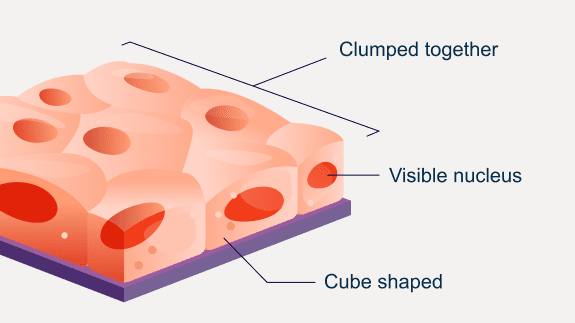
Credit: www.mesotheliomahope.com
Frequently Asked Questions
What Is Epithelial Mesothelioma?
Epithelial mesothelioma is a type of cancer. It affects the lining of the lungs, abdomen, or heart. It is caused by asbestos exposure.
How Is Epithelial Mesothelioma Diagnosed?
Doctors use imaging scans and biopsies to diagnose epithelial mesothelioma. Common methods include X-rays, CT scans, and MRIs.
What Are Symptoms Of Epithelial Mesothelioma?
Symptoms include shortness of breath, chest pain, and fluid buildup. Fatigue and weight loss are also common.
Can Epithelial Mesothelioma Be Treated?
Yes, treatment options include surgery, chemotherapy, and radiation. Early diagnosis improves the effectiveness of treatments.
Conclusion
Epithelial mesothelioma requires prompt attention and care. Early detection improves treatment options. Support from family and friends is crucial. Awareness and education can help manage this disease. Seek medical advice if symptoms appear. Stay informed about the latest treatments. Regular check-ups can save lives.
Prioritize your health and well-being.